Outdoor Living Trends 2027: What’s Next in Mediterranean Design
Outdoor living is entering a new phase. For years, terraces and gardens were often treated as secondary spaces — places for occasional dining, a few lounge chairs, or a poolside
Outdoor living continues to evolve beyond seasonal trends. In 2026, exterior spaces will become even more intentional, emotional, and design-driven — reflecting not only aesthetic preferences, but also values, lifestyle choices, and a deeper connection to nature.
At Villa Esbell, we closely follow international design movements, emerging materials, and shifts in how people live outdoors. Looking ahead to 2026, one thing is clear: gardens, terraces, and patios are no longer secondary spaces. They are central to modern Mediterranean living.
Here are the key outdoor living trends for 2026 you need to know if you’re planning, redesigning, or simply dreaming of a more refined outdoor lifestyle.
In 2026, outdoor design will move beyond visual impact and focus more strongly on how a space makes you feel. Gardens will be conceived as emotional sanctuaries — places for calm, reflection, and reconnection.
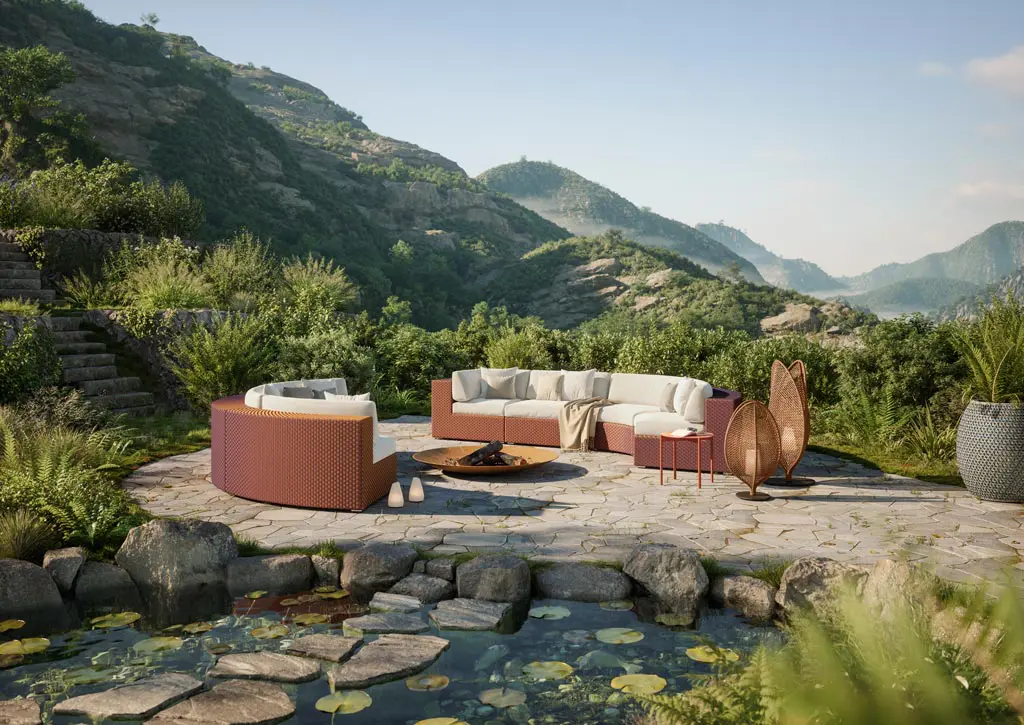
Soft transitions between indoor and outdoor areas, cocooning layouts, and intimate corners will replace overly structured designs. Think curved seating, organic pathways, and layouts that encourage slow living rather than formal entertaining.
This shift responds to a growing desire for balance and well-being, especially in Mediterranean environments where outdoor living is part of daily life.
Raw, authentic materials will remain central, but in 2026 they will be expressed with more refinement. Teak, natural stone, ceramics, limewashed surfaces, and textured fabrics will dominate — always with an emphasis on tactility.
Rather than rustic aesthetics, the trend leans toward elegant imperfection: surfaces that age beautifully, materials that tell a story, and finishes that feel timeless rather than trendy.
This approach aligns perfectly with luxury outdoor furniture collections designed to last, both visually and structurally, especially in climates like Mallorca’s.
Decoration in outdoor spaces will become more curated. In 2026, less will truly be more.
Oversized planters, sculptural lighting, and statement outdoor objects will replace multiple small accessories. Each element will have a purpose — aesthetic, functional, or emotional.
Garden decor will feel closer to art direction than styling. Carefully chosen pieces will anchor the space and create visual rhythm without cluttering the environment.
Flexibility will be one of the strongest outdoor living trends of 2026. Modular furniture, adaptable layouts, and multifunctional pieces will allow spaces to evolve throughout the day and across seasons.
Sofas that reconfigure, dining tables that extend effortlessly, and lounge areas that transition from daytime relaxation to evening entertaining will define modern outdoor furniture design.
In destinations like Mallorca, where outdoor spaces are used year-round, this adaptability becomes essential — blending comfort, elegance, and practicality.
Color trends for 2026 will move away from strong contrasts and toward earth-driven, calming tones. Warm sand, soft clay, muted olive, mineral greys, and sun-faded terracotta will dominate outdoor environments.
These tones enhance the surrounding landscape rather than compete with it, allowing architecture, vegetation, and furniture to coexist harmoniously.
Accents will appear through texture rather than bold color — woven details, layered fabrics, and subtle variations in material finishes.
Technology will be present in outdoor spaces, but increasingly discreet. Lighting systems, sound solutions, and climate comfort features will be integrated almost invisibly into the design.
The goal in 2026 is not to showcase technology, but to support atmosphere and experience. Smart outdoor lighting will respond to time of day, while sound systems will blend naturally into gardens and terraces.
This invisible luxury elevates outdoor living without disrupting the aesthetic calm.
While global design influences will continue to inspire, outdoor spaces in 2026 will feel more rooted in their location. Mediterranean regions like Mallorca will embrace local identity through materials, layouts, and landscaping choices.
Low-maintenance planting, drought-resistant gardens, shaded areas, and natural ventilation will be combined with international design language, creating spaces that feel both local and contemporary.
This balance between global design and regional authenticity defines the next generation of luxury outdoor living.
Sustainability will no longer be a trend — it will be an expectation. In 2026, outdoor design choices will increasingly reflect environmental responsibility without compromising aesthetics.
Long-lasting materials, responsible sourcing, and timeless design will replace fast trends. Furniture and decor will be chosen not only for beauty, but for durability and ethical production.
This mindset aligns with a more conscious approach to luxury: fewer pieces, better quality, longer lifespan.
At Villa Esbell, we see 2026 as a year where outdoor spaces become more personal, more expressive, and more deeply connected to lifestyle values.
Whether you’re redesigning a terrace, planning a new garden, or simply seeking inspiration, understanding these upcoming trends allows you to make choices that will feel relevant for years to come.
Outdoor living is no longer about following fashion — it’s about creating spaces that evolve with you.
Share this:
Outdoor living is entering a new phase. For years, terraces and gardens were often treated as secondary spaces — places for occasional dining, a few lounge chairs, or a poolside
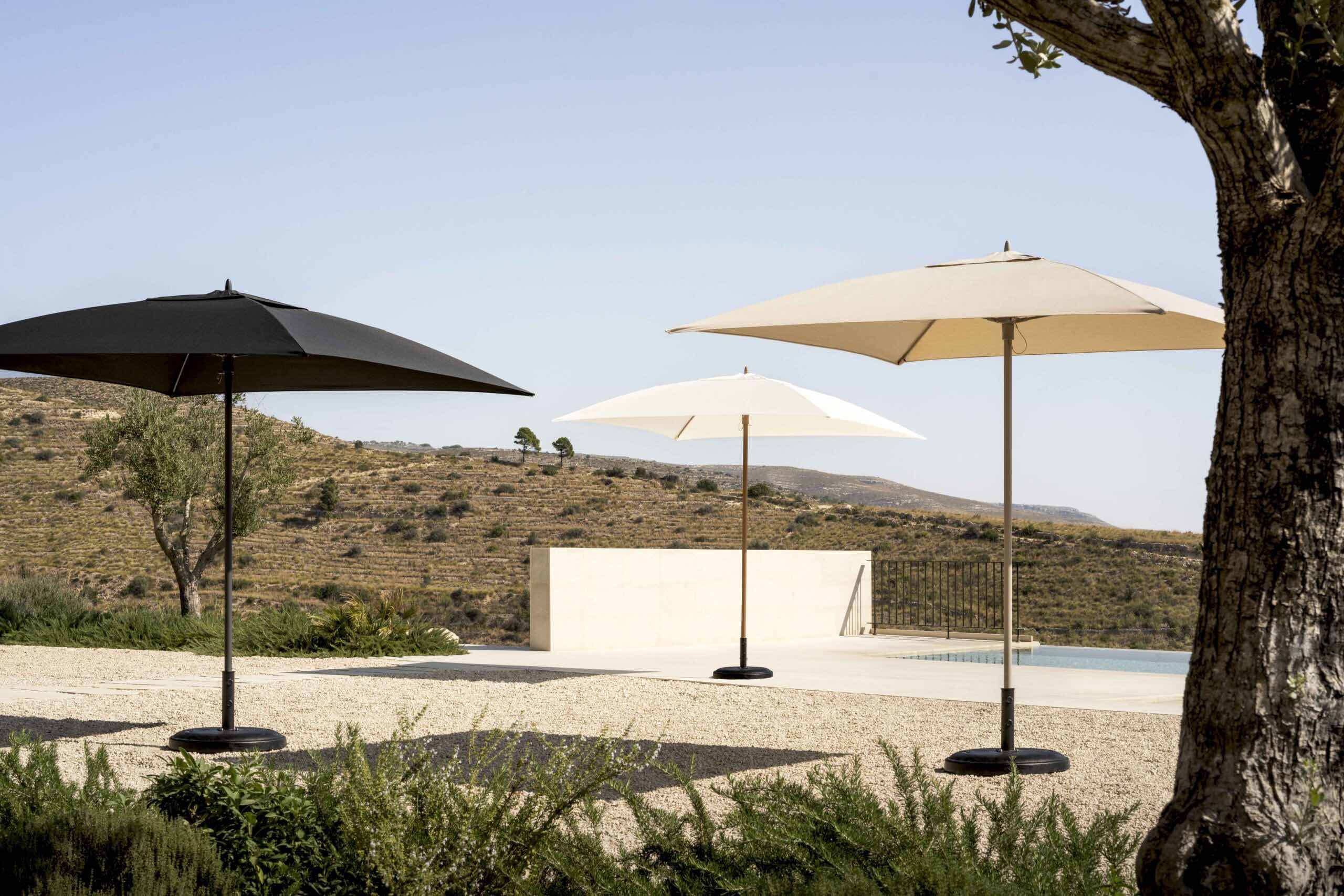
Creating shade is one of the most important considerations when designing an outdoor space in Mallorca. With long, sunny days and intense Mediterranean light, the right shading solution can transform