
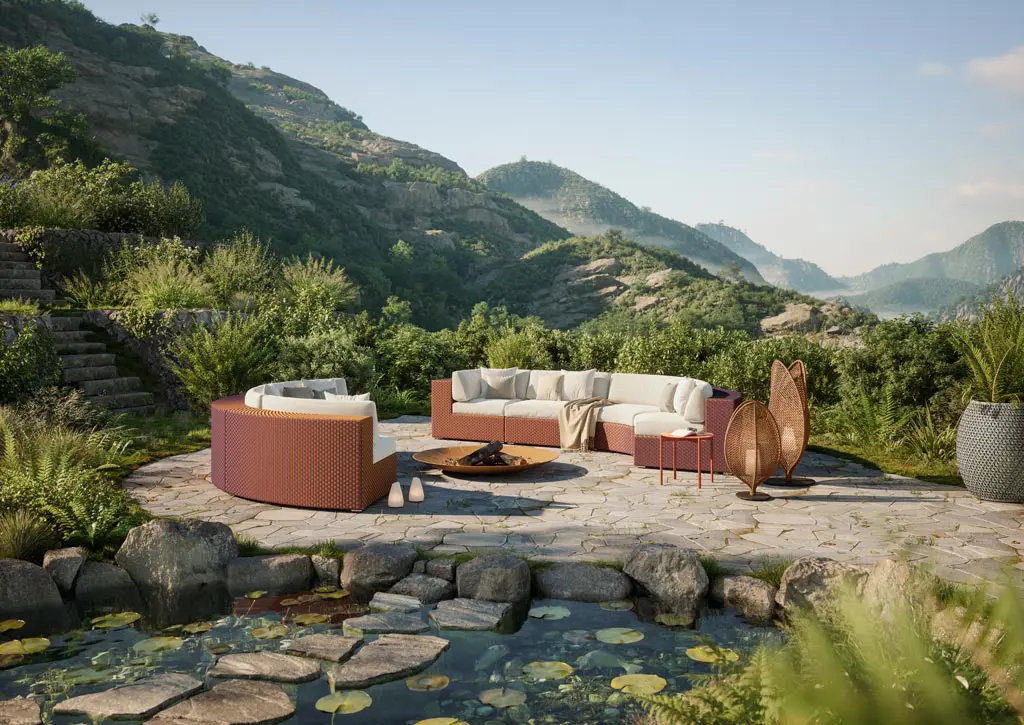
Outdoor Living Trends 2027: What’s Next in Mediterranean Design
Outdoor living is entering a new phase. For years, terraces and gardens were often treated as secondary spaces — places for occasional dining, a few lounge chairs, or a poolside
Creating shade is one of the most important considerations when designing an outdoor space in Mallorca. With long, sunny days and intense Mediterranean light, the right shading solution can transform a terrace or garden from a beautiful space into one that can genuinely be enjoyed throughout the day.
From elegant pergolas and parasols to more discreet architectural solutions, today’s outdoor shade solutions combine functionality with sophisticated design.
The key is not simply to block the sun. It is to create shade that feels integrated into the architecture and landscape, while responding to how the space is actually used.
At Villa Esbell, we believe that well-designed shade should become part of the overall outdoor experience — comfortable, considered, and naturally connected to its surroundings.
In Mallorca, outdoor spaces are exposed to sunlight for much of the year. This is one of the defining qualities of Mediterranean living, but it also means that shade needs to be considered from the beginning of any outdoor design project.
A well-planned shading system can:
Create more comfortable temperatures
Protect outdoor furniture and textiles from prolonged sun exposure
Define different areas within a garden or terrace
Extend the hours in which an outdoor space can be enjoyed
Add architectural character to the overall design
Shade is therefore not simply a practical addition. It can influence the layout, atmosphere, and functionality of the entire outdoor space.
One of the most common questions when planning an outdoor space is pergola vs parasol. Both can provide effective protection from the sun, but they create very different experiences.
Pergolas are particularly effective when shade needs to become an integral part of the architecture.
They can define an outdoor room, create a transition between interior and exterior spaces, and provide a strong structural element within a garden or terrace.
Depending on the design, a pergola can be:
Attached directly to a building
Freestanding within a garden
Used to define a dining or lounge area
Combined with adjustable or retractable shading systems
Their architectural presence makes them particularly suitable for larger terraces and projects where the shading solution forms part of the overall design concept.
Parasols offer a different approach.
They are generally more flexible and can be positioned according to the needs of the space. This makes them particularly useful for dining areas, poolside settings, and terraces where furniture arrangements may change over time.
Contemporary parasols are available in sophisticated materials, proportions, and finishes, allowing them to become an elegant design element rather than simply a functional accessory.
For smaller spaces or projects requiring greater flexibility, a parasol can be an exceptionally effective solution.
There is no single solution that works for every outdoor space.
The right approach depends on several factors:
Start with the way the area will actually be lived in.
A dining table used for long lunches may require consistent overhead protection, while a lounge area could benefit from more flexible or adjustable shade.
Poolside areas may have completely different requirements again.
Understanding these patterns of use is the first step towards choosing an effective shading solution.
The position of the sun changes throughout the day and across the seasons.
The orientation of a terrace or garden therefore plays an important role in determining where shade is needed and when.
A solution that works perfectly in the morning may offer less protection in the afternoon, depending on the position of the space.
This is why shading should be considered alongside the architecture, landscape, and orientation of the property rather than added as an afterthought.
The most successful shading solutions do not compete with their surroundings.
Instead, they feel naturally integrated into the garden or terrace.
Neutral tones, natural materials, refined structures, and carefully considered proportions can help create a sense of continuity between the shading element, the architecture, and the landscape.
For Mediterranean properties, this might mean combining a pergola with natural stone, wood, vegetation, and neutral outdoor textiles.
In a contemporary villa, a minimal structure with clean lines may create a more architectural effect.
The goal is always the same: shade should enhance the space rather than dominate it.
Shading should never be considered separately from the furniture beneath it.
A dining table, lounge setting, or outdoor kitchen will determine the type and dimensions of shade required, while the position of the shading structure will influence how furniture is arranged.
This creates an opportunity to design the entire outdoor environment as one cohesive composition.
Furniture, textiles, lighting, and shading can work together to establish different atmospheres throughout the day.
During the hottest hours, shade provides comfort and protection. As the light changes, the same area can become a more intimate setting for late-afternoon gatherings or evening.
Technology is also changing the way we experience outdoor shade.
Motorised and adjustable systems allow users to respond to changing sunlight throughout the day, creating greater flexibility and comfort.
Depending on the project, smart shading can offer:
Adjustable levels of sunlight
Motorised opening and closing
Greater control over outdoor comfort
Integration with wider home automation systems
These solutions are particularly interesting for contemporary properties where technology, architecture, and outdoor living are closely connected.
However, technology should always serve the design rather than become the focus of it.
When choosing outdoor shading in Mallorca, climate should always be part of the decision.
Materials need to withstand strong sunlight, humidity, wind, and the extended outdoor season typical of the Mediterranean.
Quality is particularly important when shading structures are exposed to the elements throughout the year. The right materials and construction help ensure that the solution continues to perform while maintaining its visual character.
This is where specialist knowledge becomes valuable: understanding not only how a shading system looks, but how it behaves in the specific environment where it will be installed.
At Villa Esbell, we see shading as an essential part of outdoor design rather than a separate technical element.
The most successful projects bring together architecture, furniture, textiles, lighting, and shade to create environments that feel balanced and intentional.
Our approach begins with understanding the space: its orientation, architecture, landscape, lifestyle, and how it will be used throughout the day.
From there, the right solution can be selected according to both practical requirements and aesthetic ambitions.
Because the best shade is not necessarily the most visible.
It is the one that allows you to enjoy your outdoor space more comfortably, more naturally, and for longer.
Shade has the power to change the way a garden or terrace is experienced.
A well-designed pergola can create an outdoor room. A carefully positioned parasol can make a dining area more comfortable. An adjustable system can allow a terrace to evolve with the changing light throughout the day.
Ultimately, the best outdoor shade solutions are those that disappear into the experience of the space — providing comfort without compromising its beauty.
In Mediterranean living, where outdoor spaces become an extension of the home, thoughtful shade is not an optional detail.
It is part of what makes outdoor living possible.
Share this:
Outdoor living is entering a new phase. For years, terraces and gardens were often treated as secondary spaces — places for occasional dining, a few lounge chairs, or a poolside
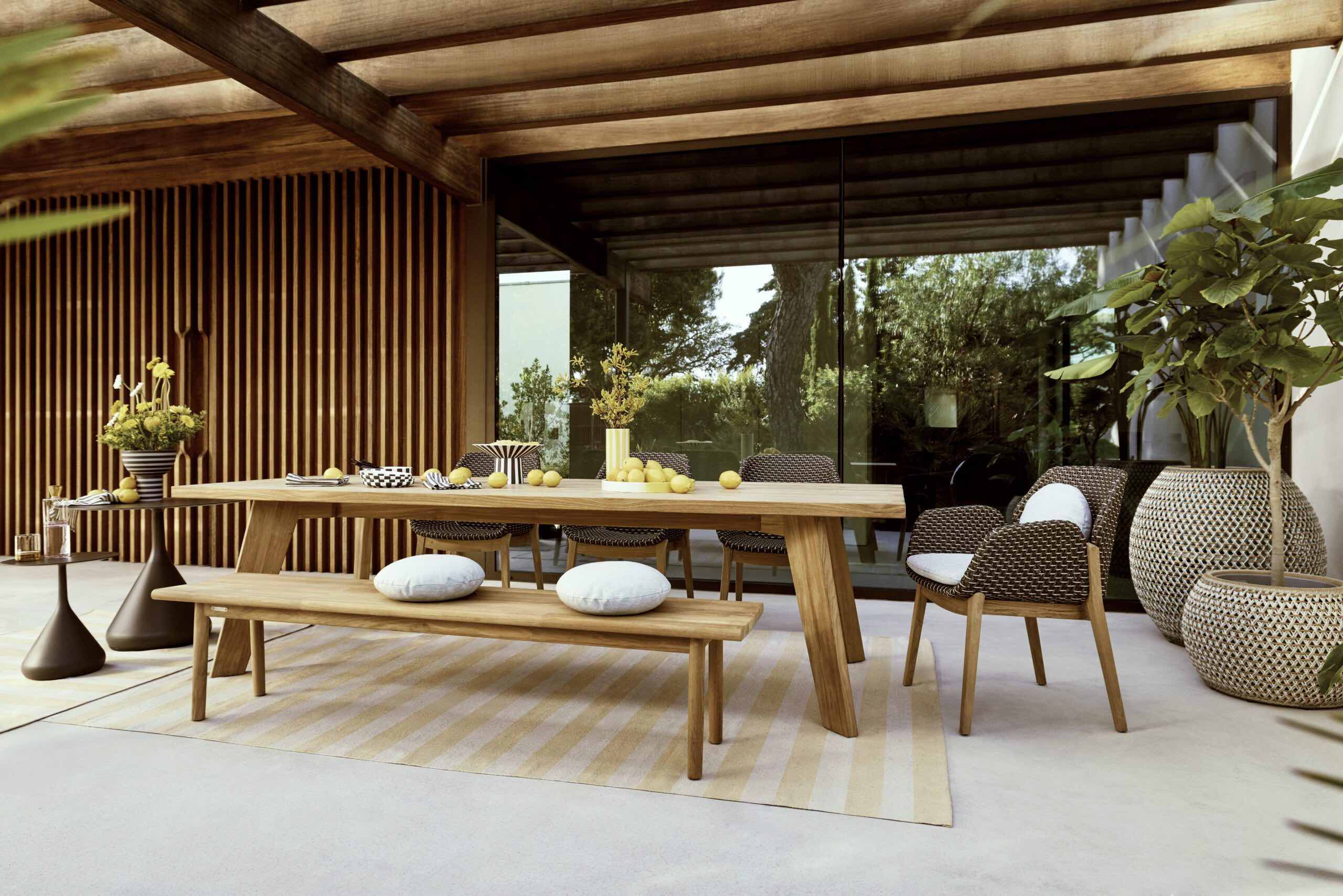
Outdoor furniture has evolved far beyond functionality. Today, the most distinctive exterior spaces are defined by pieces that combine craftsmanship, innovation, comfort, and a strong sense of identity. Few brands