Outdoor Planters: How to Bring Structure and Greenery to Your Terrace

A beautifully designed outdoor space is never defined by furniture alone. While sofas, dining tables and lighting create the foundations of a terrace or garden, it is often the smaller details that bring everything together. Among them, outdoor planters play a particularly important role.

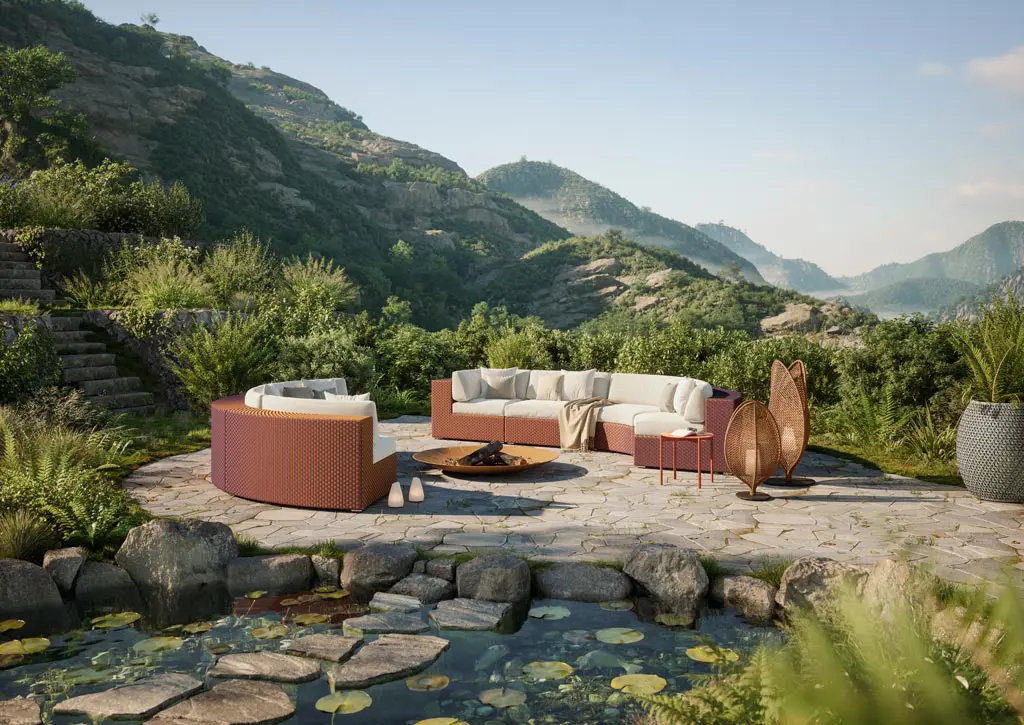
More than simple containers for plants, planters help define spaces, introduce natural elements and create a sense of balance within an outdoor setting. They can add height, soften architectural lines, create privacy and bring colour and texture to terraces of every size.

In Mallorca, where outdoor living is closely connected to the Mediterranean landscape, greenery is an essential part of the experience. Choosing the right outdoor planters in Mallorca means considering not only the plants themselves, but also how their shapes, materials and proportions interact with the surrounding architecture and furniture.

At Villa Esbell, we believe that thoughtful details make all the difference. And the right planter can transform an outdoor space in ways that go far beyond decoration.

More Than Decoration: The Role of Planters in Outdoor Design

Planters are often considered finishing touches, but their contribution to outdoor design is much greater.

A carefully positioned planter can help organise a terrace, separate different functional areas or create a natural transition between architecture and landscape. In larger spaces, a group of planters can establish visual boundaries without making the environment feel enclosed. On smaller terraces, a single statement piece can introduce greenery while maintaining an open and uncluttered atmosphere.

They also bring a softer dimension to contemporary architecture. The contrast between clean architectural lines, natural foliage and carefully selected materials creates a more balanced and welcoming environment.

The key is to consider planters as part of the overall composition, rather than isolated decorative objects.

Choosing the Right Size and Shape

Proportion is one of the most important aspects when selecting designer outdoor planters. Their dimensions should relate naturally to the scale of the terrace, the surrounding furniture and the plants they will contain.

Large Planters for Spacious Terraces and Gardens

Large outdoor planters can become defining elements within an exterior design. Their scale makes them ideal for framing entrances, creating focal points or introducing greenery into generous open spaces.

They work particularly well with architectural plants, small trees and Mediterranean species such as olive trees, creating a strong connection between the built environment and nature.

When used in pairs or carefully arranged groups, larger planters can also help create a sense of rhythm and symmetry.

Smaller Planters for Layered Compositions

Smaller garden pots offer greater flexibility. They can be placed alongside lounge furniture, dining areas or outdoor steps, introducing subtle touches of greenery without overwhelming the space.

Combining different heights and dimensions creates a more natural, layered effect. Rather than arranging every planter in a perfectly symmetrical line, varying their positions can give the composition a more relaxed and organic character.

The objective is to find a balance between visual interest and simplicity.

Materials That Complement the Mediterranean Environment

The material of a planter has a significant influence on the overall atmosphere of an outdoor space. It should complement the furniture, flooring and architectural finishes while responding to the conditions of the local climate.

Natural Materials and Textures

Stone-inspired finishes, ceramic surfaces and natural textures bring warmth and authenticity to outdoor environments. Their tactile qualities work particularly well alongside wood, woven furniture and Mediterranean planting.

These materials can create a subtle connection with the island’s natural surroundings, especially when combined with neutral colours and organic shapes.

Contemporary Materials and Finishes

For a more contemporary aesthetic, refined finishes and clean silhouettes can complement modern architecture and minimalist outdoor furniture.

The choice of material should also take practical considerations into account, including weight, drainage, resistance to weather conditions and ease of maintenance.

On Mallorca, where sunlight and seasonal changes can affect outdoor objects, choosing materials designed for exterior use is particularly important.

How to Use Planters to Define Different Outdoor Areas

One of the most interesting ways to incorporate planters into terrace decoration is to use them as subtle space dividers.

Rather than relying on walls or fixed structures, greenery can help establish different zones while preserving a sense of openness.

  • Around lounge areas: Positioning planters near sofas and armchairs creates a more intimate atmosphere and introduces a natural backdrop.

  • Beside dining spaces: A carefully selected arrangement of plants can frame an outdoor dining area without interrupting circulation.

  • Along architectural boundaries: Planters can soften walls, terraces and pergolas, adding depth and visual interest.

  • Near entrances and pathways: Larger pieces can create a welcoming first impression and guide the natural flow through the space.

  • Around swimming pools: Carefully selected planters can introduce greenery and reinforce the connection between the pool area and the surrounding landscape.

These solutions are particularly useful when designing multifunctional outdoor spaces where different activities need to coexist naturally.

Mediterranean Planting: Bringing Nature Closer to Home

The plants chosen for a planter are just as important as the planter itself.

In Mallorca, Mediterranean species offer an excellent starting point. Olive trees, rosemary, lavender, ornamental grasses and other drought-tolerant plants can introduce texture, movement and subtle fragrance while complementing the island’s natural landscape.

The combination of different leaf shapes, heights and shades of green creates a more dynamic composition. Some plants bring structure and volume, while others add softness and movement.

It is also worth considering the amount of sunlight, wind exposure and watering requirements of each location before selecting the plants. A beautiful arrangement should be suitable for its environment and easy to maintain over time.

Creating a Cohesive Look: Planters, Furniture and Accessories

The most successful outdoor spaces are those in which every element feels connected.

When selecting outdoor planters, consider the colours, textures and proportions of the existing furniture and accessories. A planter with a sculptural silhouette can become a focal point, while more discreet designs can complement the overall composition without drawing too much attention.

Repeating certain materials or tones throughout the space helps create visual continuity. For example, natural finishes can work beautifully alongside teak furniture, while more contemporary shapes may complement aluminium structures and minimalist lounge collections.

Lighting and decorative accessories can complete the composition, creating an outdoor environment that feels considered down to the smallest detail.

The Art of Finishing an Outdoor Space

At Villa Esbell, we believe that outdoor design is about creating spaces that feel balanced, personal and connected to their surroundings.

Furniture establishes comfort and functionality, lighting creates atmosphere, and textiles introduce softness. Planters and decorative elements bring another essential dimension: the presence of nature.

Whether you are styling a generous garden, a contemporary terrace or a smaller outdoor corner, the right selection of planters can add structure, character and a sense of harmony.

Because sometimes, it is not the largest pieces that make the greatest difference.

It is the thoughtful details that turn an outdoor space into somewhere truly special.

Share this:

LinkedIn
Pinterest
Facebook
Threads
X
WhatsApp
Email

Discover More Open-Air Corners

Privacy Overview

This website uses cookies so that we can provide you with the best user experience possible. Cookie information is stored in your browser and performs functions such as recognising you when you return to our website and helping our team to understand which sections of the website you find most interesting and useful.